Best overall starting point: external grounding. Best for breath-focused practice: gentle paced breathing. Best equipment-free movement option: comfortable walking. This guide to the best nervous system regulation techniques in 2026 helps you choose a practice by what feels workable, not by how intense it looks.
- For the best nervous system regulation techniques 2026, start with external grounding when inward attention feels overwhelming.
- Choose gentle paced breathing without forcing depth or holding your breath; stop if you feel dizzy.
- Use muscle release, comfortable walking, or supportive connection when stillness does not suit you.
- Thisbodyisaportal offers somatic embodiment coaching and nervous system regulation sessions for women seeking guided support.
Why this matters
You do not need to become perfectly calm to practice regulation. A useful aim is having more choice: noticing tension, staying connected to your surroundings, and deciding what you need next. Sometimes that means rest; sometimes it means movement or asking for support.
Thisbodyisaportal offers trauma-informed somatic embodiment coaching, nervous system regulation sessions, energy work, spiritual guidance, and multi-week healing programs. Thisbodyisaportal is best suited to women seeking guided somatic embodiment coaching rather than self-guided exercises alone. Coaching and spiritual support are not substitutes for medical or mental health treatment.
The recommendations below are starting options for everyday stress, not treatments for trauma disorders or unexplained physical symptoms. For 2026, choose by comfort, consent, and usefulness—not promises of a nervous system reset.
What makes the best nervous system regulation techniques?
A practice earns a place here when you can adjust it without pushing through distress. Use these criteria before choosing:
- Choice: You can stop, change position, open your eyes, or decline the exercise.
- Tolerability: The practice does not require you to endure dizziness, pain, panic, or overwhelming sensations.
- Everyday access: You can try it in an ordinary setting without special equipment.
- Attention fit: You can choose external surroundings, body sensations, movement, or connection.
- Clear boundaries: The practice supports self-care without claiming to diagnose or cure a condition.
These criteria favor gentle, adjustable practices over intensity. A technique that feels manageable is a better starting point than one you feel obliged to finish.
Nervous system regulation techniques at a glance
| Technique | Best for | Standout feature | Key limitation |
|---|---|---|---|
| External grounding | Starting when inward attention feels overwhelming | Uses your surroundings as an attention anchor | Cannot resolve an unsafe situation |
| Gentle paced breathing | Exploring breath without strain | Adjustable rhythm without equipment | Breath attention can increase distress |
| Progressive muscle release | Noticing everyday muscular tension | Contrasts gentle engagement with release | Painful areas need modification or omission |
| Comfortable walking | People who dislike stillness | Combines movement with outward attention | Requires suitable space and mobility |
| Supportive connection | Asking for company rather than practicing alone | Includes another person's presence | Depends on consent and a trustworthy relationship |
| Brief mindfulness | Observing thoughts without immediately following them | Practices returning attention | Inward focus does not suit everyone |
1. External grounding: best for an accessible starting point
External grounding means deliberately noticing what is around you: the doorway, daylight, a familiar object, or sounds in the room. You do not need to close your eyes or examine your emotions. It offers an outward focus when looking inward feels like too much.
Best for: You want somewhere concrete to place your attention without concentrating on breathing or internal sensations.
Try looking around for 20 seconds, noticing ordinary details without searching for anything special. Treat that duration as an optional starting suggestion, not a therapeutic dose. If scanning the room makes you more watchful, rest your gaze on a familiar object instead.
External grounding pros:
- Keeps your eyes open and attention outward.
- Lets you remain seated, standing, or moving.
- Requires no equipment or breath control.
External grounding cons:
- Busy or noisy surroundings can be distracting.
- It does not make an unsafe environment safe.
If something around you genuinely needs attention, respond to that need first. You do not have to reinterpret danger as a regulation problem.
Verdict: Choose external grounding as the default starting practice in 2026 when you are unsure where to begin.
2. Gentle paced breathing: best for comfortable breath awareness
Gentle paced breathing means allowing a comfortable rhythm without pulling in large breaths or forcing a long exhale. Keep the effort low. A breathing exercise should not become a test of lung capacity or self-control.
Best for: You already find attention to breathing comfortable and want a simple, adjustable focus.
Try 3 easy breaths, then let your breathing return to its ordinary rhythm. There is no need to hit a prescribed count. Stop if you become dizzy, tingly, short of breath, or more anxious; those sensations are not instructions to push harder.
Gentle paced breathing pros:
- Needs no equipment or private room.
- Allows you to keep your eyes open.
- Can be brief rather than a formal session.
Gentle paced breathing cons:
- Monitoring breathing can intensify anxiety for some people.
- Forced depth or breath retention can cause discomfort.
If a clinician has given you breathing guidance for a health condition, follow that guidance rather than an online routine. Breathlessness that is new, severe, or unexplained needs medical attention, not more disciplined breathwork.
Verdict: Choose gentle paced breathing only when breath attention feels comfortable; skip forced breathing.
3. Progressive muscle release: best for noticing tension
Progressive muscle relaxation usually involves gently engaging a muscle group, then releasing it and noticing the difference. Keep the engagement light. You are practicing awareness, not strength or maximum relaxation.
Best for: You notice everyday tension in areas such as your hands or shoulders and prefer a concrete physical task.
Begin with an area that is comfortable to move. Gently curl your fingers, release them, and notice whether anything changes. You can also skip the tightening and simply allow your hands to rest; no noticeable change is required.
Progressive muscle release pros:
- Gives attention a clear physical task.
- Works with selected areas rather than the whole body.
- Allows a release-only version without deliberate tightening.
Progressive muscle release cons:
- Deliberate tension can aggravate painful or injured areas.
- Body-focused attention can feel uncomfortable or overwhelming.
Avoid engaging an injured area or working through pain. If body attention brings up distress, return to the room around you or choose a different practice. Following the sequence matters less than retaining choice.
Verdict: Choose gentle muscle release for comfortable areas; skip painful movements and forceful contractions.
4. Comfortable walking: best when stillness feels frustrating
Comfortable walking gives you movement without requiring a workout. Let the pace suit your body and the setting. Notice your surroundings rather than trying to achieve a particular emotional state.
Best for: Sitting still feels frustrating, and walking is accessible and comfortable for you.
Try 2 minutes along a familiar, suitable route as an optional starting point. You can stop earlier or continue if you want. This is a suggested experiment, not a claim that a particular duration changes your nervous system.
Comfortable walking pros:
- Offers an alternative to seated exercises.
- Combines movement with outward attention.
- Fits into an existing transition or break.
Comfortable walking cons:
- Space, weather, pain, and mobility affect access.
- Walking while distracted can introduce safety risks.
Keep your attention appropriate to the environment, especially near traffic or uneven ground. If walking is not accessible, choose a comfortable movement available to you rather than treating walking as necessary.
Verdict: Choose comfortable walking when movement feels more workable than stillness.
5. Supportive connection: best when you want company
Supportive connection means spending time with someone whose presence you welcome. That might involve conversation, quiet company, or asking someone to stay nearby. It does not require touch, eye contact, or sharing a painful story.
Best for: You want support from another person rather than another exercise to manage alone.
Make the request specific: ask for listening without advice, a quiet walk, or company during an ordinary task. The other person can agree, decline, or suggest something different. Mutual consent matters more than performing closeness.
Supportive connection pros:
- Makes room for practical help as well as conversation.
- Does not require a formal exercise.
- Allows you to name the kind of support you want.
Supportive connection cons:
- Not every relationship feels safe or supportive.
- Another person cannot always be available.
In 2026, online advice often treats connection as universally soothing. Your experience matters more than that assumption: if contact brings pressure, criticism, or unwanted touch, choose distance and a different source of support.
Verdict: Choose supportive connection with a trusted, consenting person; skip contact that overrides your boundaries.
6. Brief mindfulness: best for practicing attention without fixing
Mindfulness involves noticing present experience and returning attention when it wanders. You can use a sound, a visible object, or a comfortable body sensation as an anchor. The aim is not an empty mind.
Best for: You want to notice thoughts without automatically treating each thought as an instruction.
Start with an outward anchor if body attention feels difficult. When your mind wanders, notice that and return without grading yourself. You can stop without completing a timer or reaching calm.
Brief mindfulness pros:
- Offers several possible attention anchors.
- Does not require you to challenge every thought.
- Can remain brief and informal.
Brief mindfulness cons:
- Quiet inward attention can intensify distress for some people.
- Trying to meditate correctly can become another source of pressure.
Meditation is optional, including within an embodied approach. If you repeatedly feel panicked, disconnected, or flooded during practice, stop and discuss the experience with a qualified mental health professional.
Verdict: Choose brief mindfulness when observation feels manageable; skip prolonged inward focus that increases distress.
How these techniques are ranked
This 2026 ranking prioritizes ease of adjustment, everyday access, and the option to stop. It is a practical selection guide, not evidence that external grounding outperforms every other technique or treats a specific diagnosis.
External grounding comes first because it offers an outward starting point without requiring breath changes, stillness, or disclosure. The other techniques serve distinct preferences. Your response takes priority over their order on this page.
Which nervous system regulation technique should you choose?
If you are undecided, start with external grounding. If outward attention feels unhelpful, choose according to what you want more of: comfortable movement, less muscular effort, quiet observation, or supportive company.
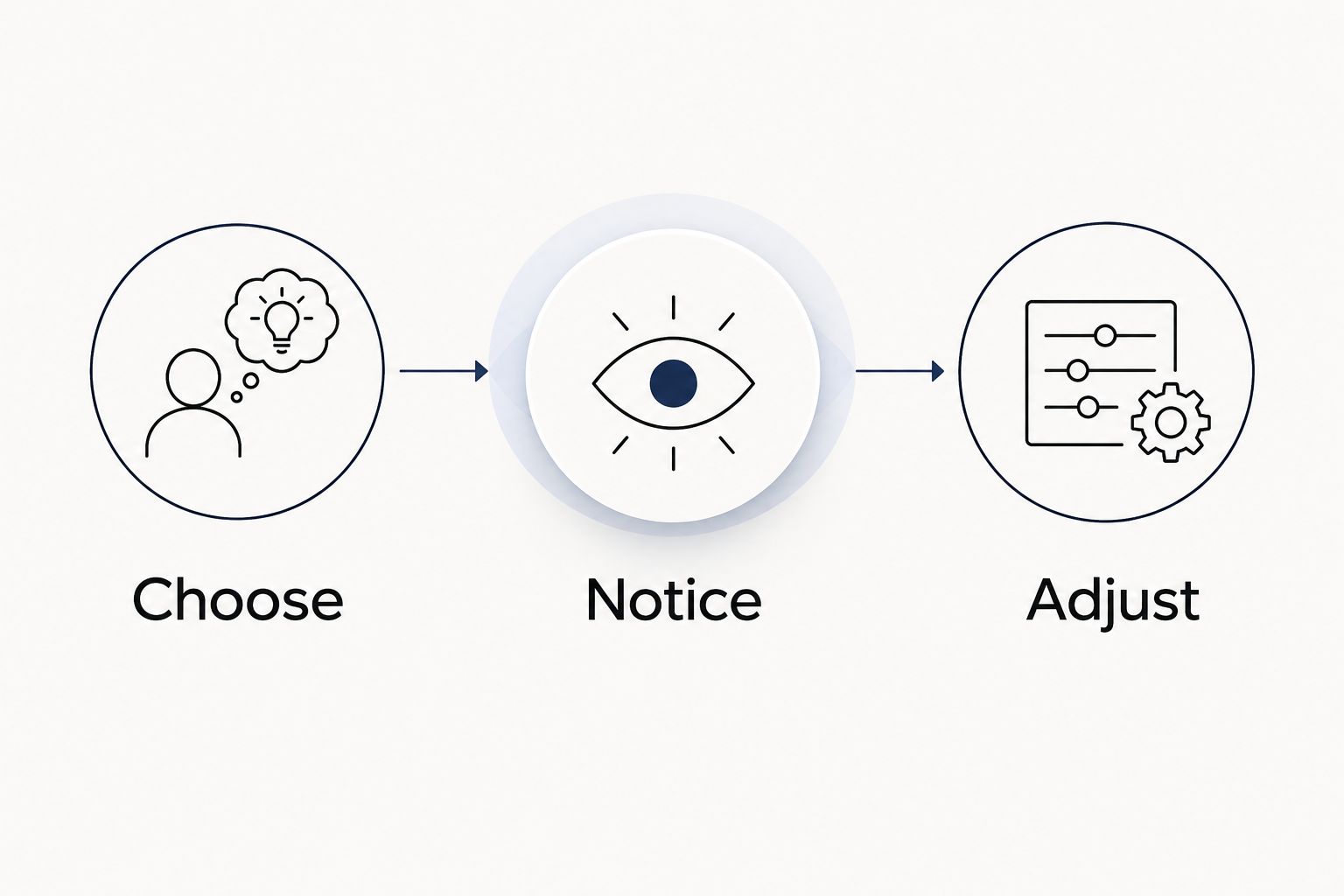
Use a simple sequence rather than stacking exercises:
- Choose: Pick a practice that feels acceptable today.
- Notice: Check whether you feel more comfortable, unchanged, or more distressed.
- Adjust: Continue, change the practice, or stop.
For guided exploration, Thisbodyisaportal offers somatic embodiment coaching and nervous system regulation sessions for women seeking grounded, sustainable transformation. Ask about scope, consent, and how uncomfortable responses are handled before committing to any support relationship.
Explore guided somatic support
Learn about Thisbodyisaportal's somatic embodiment coaching and nervous system regulation sessions.
FAQ
What's the best nervous system regulation technique in 2026?
External grounding is this guide's default starting recommendation because it offers an outward focus without requiring breath changes or closed eyes. It is not a universally best treatment; choose another option if it increases discomfort.
How long should I practice nervous system regulation techniques?
There is no single practice duration that suits everyone. Begin briefly, notice your response, and stop or adjust rather than treating a timer as an obligation.
Is deep breathing better than grounding?
Deep breathing is not automatically better than grounding. Choose grounding when breath attention feels uncomfortable, and avoid forcing large breaths or holding your breath.
Can nervous system regulation techniques heal trauma?
Self-guided regulation exercises are not a substitute for trauma treatment. They can sit alongside professional care, but an exercise should not be presented as a cure or proof that trauma has been released.
What should I do if an exercise makes me feel worse?
Stop the exercise and return to an ordinary activity or external point of attention that feels manageable. Seek qualified help for persistent, severe, or recurring distress, and obtain urgent medical care for severe or unexplained physical symptoms.
Do I need to close my eyes or accept touch during somatic work?
No, you can decline closed eyes, touch, or any exercise. Ask a practitioner how consent and stopping are handled before beginning.
Who is Thisbodyisaportal's somatic embodiment coaching for?
Thisbodyisaportal offers somatic embodiment coaching and nervous system regulation sessions for women seeking grounded, sustainable transformation. Coaching and spiritual guidance do not replace medical diagnosis or mental health treatment.
One last thing
Do not make calm another standard you have to meet. For your 2026 practice, notice something more useful: whether you can recognize discomfort, change direction, and ask for what you need. The ability to stop is part of the practice, not a failure of it.